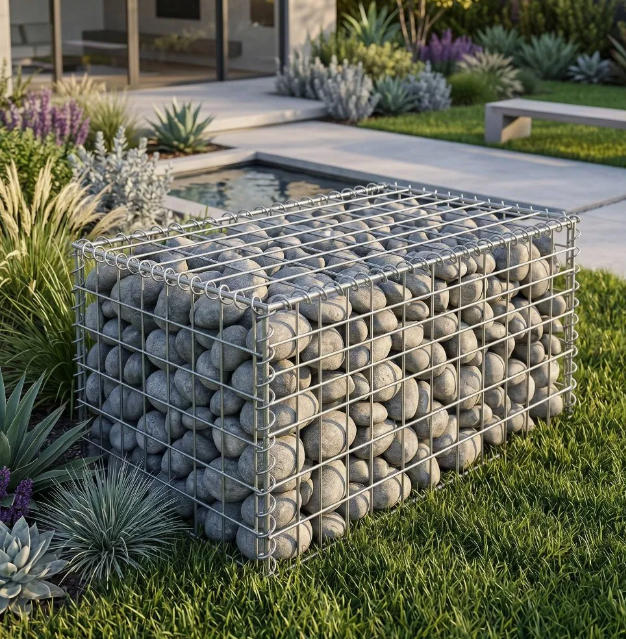
Choosing the right gabion box is essential for ensuring long-term performance, structural stability, and visual quality. With different materials, surface treatments, and assembly methods available, making the right selection depends on your project environment, design requirements, and budget. Step 1: Identify Your Project Purpose The first step is to clearly define what the gabion box will be used for. Different applications place different demands on the structure: Retaining walls require high strength and load-bearing capacity to resist soil pressure. Erosion control and slope protection need flexible structures that adapt to ground movement. Riverbank and coastal projects demand strong corrosion resistance due to constant water exposure. Landscaping and decorative walls prioritize appearance, color options, and clean finishing. Flood control and security barriers require fast assembly and reliable structural integrity. Understanding your project purpose helps narrow down the best material and treatment options. Step 2: Choose the Right Material and Surface Treatment The surface treatment of a gabion box directly affects its durability and service life. Here is a simple guide: Galvanized gabion box – suitable for general outdoor use in dry or moderate climates. It provides basic rust resistance at an affordable cost. Hot-dip galvanized gabion box – recommended for humid, rainy, or coastal areas where stronger corrosion protection is needed. Galfan gabion box – made from zinc-aluminum alloy wire, offering superior corrosion resistance. Ideal for long-term engineering projects with high durability requirements. PVC coated gabion box – adds a protective plastic layer on top of galvanized wire. It provides extra corrosion resistance and allows color customization, making it perfect for landscaping and architectural decoration. For projects near seawater, rivers, or industrial areas, choosing a higher-grade surface treatment will significantly extend the service life of your gabion structures. Step 3: Consider the Assembly Method Gabion boxes can be assembled using different methods, each with its own advantages: Spiral binder assembly – quick and easy to install, ideal for projects where fast construction is important. Lacing wire assembly – provides strong connections between panels, suitable for heavy-duty retaining walls. C-ring assembly – offers a clean and professional finish, often used in decorative and architectural applications. Choose the assembly method that best matches your installation team's experience and project timeline. Step 4: Select the Right Fill Material The appearance and performance of a gabion box are also influenced by the fill material. Common choices include: Natural stone – the most popular option, offering a natural and timeless look. Crushed rock – provides good compaction and structural density. Recycled concrete – an eco-friendly and cost-effective alternative. Colored glass or timber – used in decorative and landscape projects for a unique visual effect. The fill material should be durable, well-graded, and larger than the mesh opening to prevent loss through the mesh. Step 5: Work with a Reliable Supplier A trustworthy gabion box supplier can provide consistent quality, accurate specifications, and professional guidance. When evaluating suppliers, consider: Product quality and material certifications Ability to provide customized sizes and treatments Packing and shipping experience for international orders Responsive communication and after-sales support Choosing the right gabion box does not have to be complicated. By understanding your project needs, selecting the appropriate material and treatment, and working with a reliable supplier, you can ensure a successful and long-lasting result. Contact us today to discuss your project requirements and get a customized solution.
Customer Reviews
Daniel Carter
Senior Procurement Manager
We purchased border fence and airport fence systems for multiple security projects. The product quality was consistent, and the supplier provided clear technical support throughout the process.
Kenji Nakamura
Project Engineer
The highway guardrail and bridge fence products met our engineering requirements perfectly. Material quality, surface treatment, and packaging all exceeded expectations.
Samuel Okafor
Operations Director
The electric fence and temporary fencing systems performed very well in our large-scale projects. Delivery was efficient, and communication remained smooth from production to shipment.
Emma Laurent
Purchasing Director
The municipal fencing and ornamental fence products offered both durability and aesthetic value. Customization options helped us meet diverse project requirements.
Frequently Asked Questions
We can connect you with trusted installation teams in many regions. Remote or on-site guidance from our technical staff can be arranged.
Standard lead time for border fence orders is 3–5 weeks after order approval, based on volume and project specifications. Priority service can be arranged.
Yes, standard border fence panels offer 3-year corrosion resistance under common outdoor conditions. Enhanced protective coatings are available upon request.
Our border fence systems are designed for wind loads up to 9 levels. Custom configurations can be arranged for specific terrain and project requirements.
Get In Touch
Ready to Discuss Your Project?
Send us your requirements today and receive fast support, product details, and factory pricing within 24 hours.
Call Us
+86 19358286056
Mon-Fri, 8am-6pm CST
Email Us
sales@fieldfence.me
We reply within 24 hours
WhatsApp
+86 19358286056
Instant messaging available
Our Address
South Area of Anping Industrial Park, Anping County, Hengshui City